Skip to product information
1 of 1

Bold Microlot

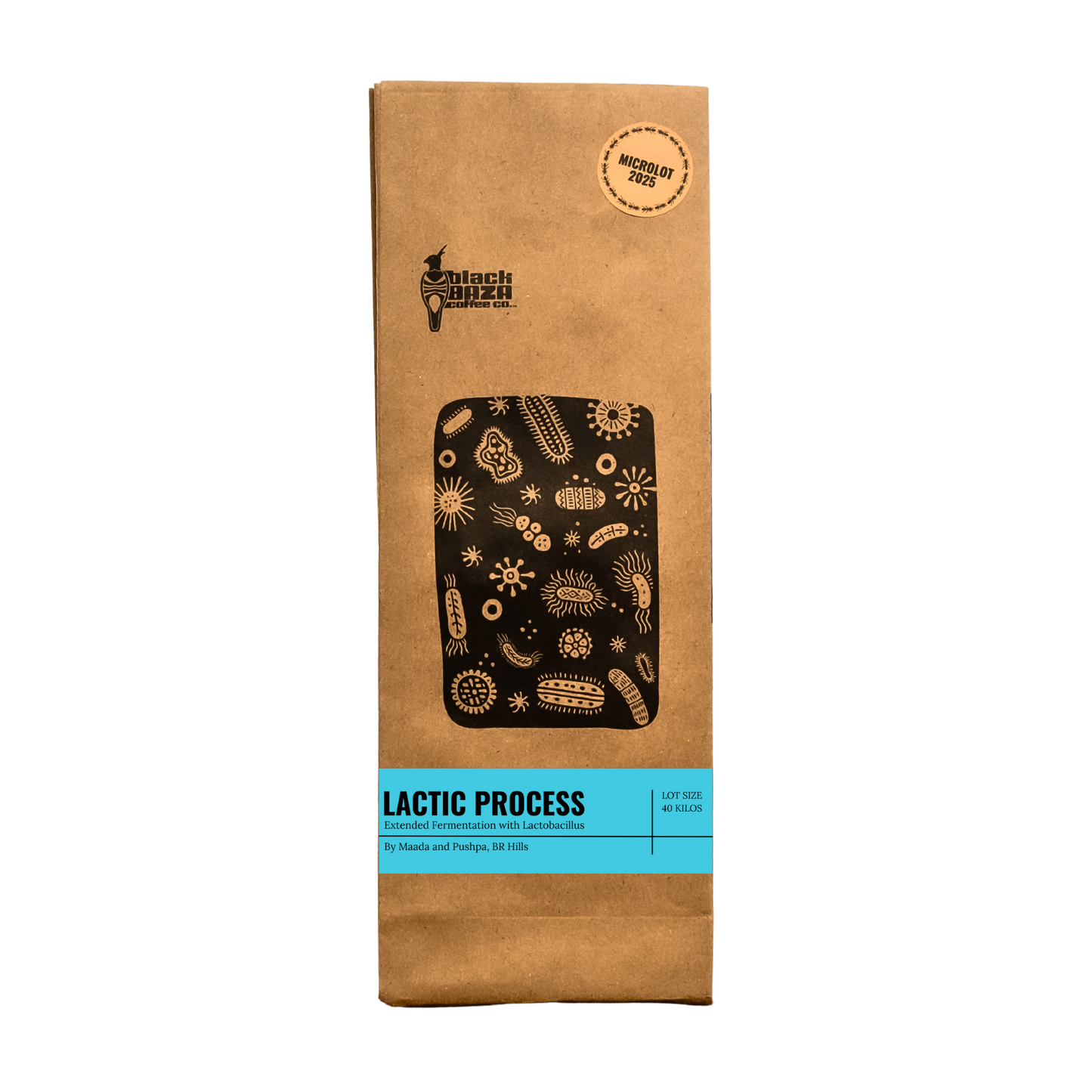
Lactic Process

Lactic Process

Regular price 700.00 INR
Regular price Sale price 700.00 INR
Sale Sold out
Taxes included. Shipping calculated at checkout.
View full details

Grind Size Chart

Recommended Brewing Methods for Lactic Process

coldbrew
frenchpress
channi
chemex
aeropress
pourover
homeespresso
indianfilter
drip
mokapot
KYC Image 1

Know Your Coffee

COFFEE Arabica — Extended Fermentation with Lactobacillus

YOU'VE TRIED LACTOBACILLUS IN CURD BUT HAVE YOU IN COFFEE? This diverse group of bacteria is abundant in nature, inside our bodies and in our food. In post-harvest processing of coffee, sugary coffee fruits are kept in anaerobic conditions such that the LAB bacteria can eat away at all the sugars. This fermentation produces metabolites that are then absorbed by the coffee beans to produce flavour.

Many microorganisms ferment coffee fruit, but through close monitoring of pH, temperature and oxygen availability, we can create environmental conditions that preferentially allow LAB to thrive. 

Carrying out controlled fermentations is complex — there are many variables to account for and there is no set recipe for a lactic process coffee. Pushing a lactic fermentation can result in overly bitter cups whereas if you get it right, your brew could be buttery, fruity and floral.

FLAVOUR NOTES Cocoa, Brown Spice

RECOMMENDED BREWING Pour Over, Drip Filter

BREW Pour Over (Hot and Iced)

RECIPE For a pour over, place a filter in your dripper and rinse with hot water to eliminate the taste of paper. Add 15g of medium-ground coffee. Pour 250ml of hot water (92-94°C) in slow, circular motions, starting from the centre and moving outward, allowing the coffee to bloom, and continue pouring until the desired amount of water has passed through.

NOTE The 'best brewed with' list suggests methods for the best cup, but isn’t restrictive — this coffee can be ground and brewed however you prefer.

  • BR Hills

  • Semi-Evergreen

  • 1300 MSL

  • Lactic Process

  • Chandragiri

  • Medium

Grower Image 1
Grower Image 2
Grower Image 3

Transparently Traded

ORIGIN BR Hills, Karnataka

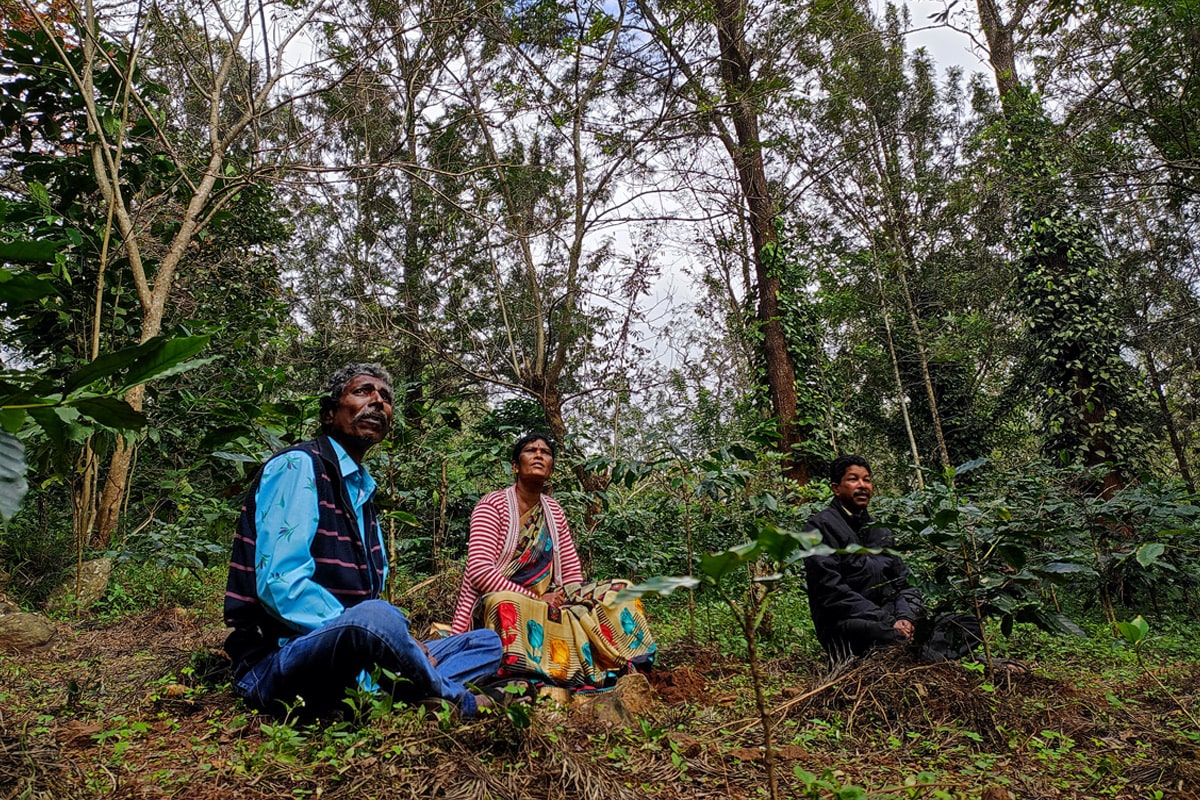
GROWERS Maada and Pushpa

ABOUT We are continuously inspired by our partner producers — especially those who choose to take fermentation risks with us! We want to acknowledge the courage it takes to try out a new coffee processing technique. In most cases, the producers of our Microlots, like this Lactic Process, are the first people in their hamlets to have ever tried out these methods and we can't wait for you to try it! Let us know what you think and we'll pass on your feedback.

PRICE PAID IN 2025

Rs 1000/kg ~ $11.8/kg for equivalent green coffee

2.4x the Fair Trade minimum price

Our price isn’t driven by speculative markets but reflects quality and the growers' commitment to biodiversity-friendly farming. Our higher price floor ensures a more sustainable income for farmers.

Origin Image 1
Origin Image 2
Origin Image 3

About microlots

2025 MICROLOTS The 2025 harvest has been our most experimental yet, with over 12 small, experimental lots dropping every month. This season, 21 of our partner producers worked with Asjad Ahmed and Arshiya Bose (both Q-Post-Harvest Professionals) to craft some deeply flavourful and fun Arabicas. We can't wait for you to try them!

WHY But beyond taste, the Microlot Programme is a vital part of our mission to strengthen smallholder livelihoods. Through this programme, producers can earn over 1.4x the market price, helping them break cycles of debt. One of our partner growers shared how producing the Yellow Honey coffee allows her to hold on to her harvest, preventing family members from quickly selling it off at a fraction of its value.

JOIN US These Microlots are more than coffee; they’re about resilience, dignity, and meaningful change.

Our coffee is in collaboration with people and nature

Know More